Mint extract is a botanical-derived ingredient characterized by the complete retention of the source plant's native aromatic and bioactive compound matrix at a very high dry matter percentage.
Active Compound Profile
The functional identity of mint extract is defined by its full-spectrum preservation of natural aromatic and bioactive constituents derived from the intact botanical. Unlike isolated menthol or reconstituted synthetic cooling agents, the extract maintains the coordinated chemical ensemble of the parent plant, including volatile terpenes, phenolic derivatives, and secondary metabolites that operate synergistically. This native breadth is responsible for the characteristic refreshing sensation and soothing physiological activity observed in finished formulations. The aromatic fraction supplies the recognizable cooling herbal note, while the bioactive fraction contributes antimicrobial and calming properties leveraged across multiple industrial sectors.
For confectionery and chewing gum manufacturers, the aromatic and refreshing volatiles are the primary procurement drivers because they deliver sustained sensory impact without flavor drift. Beverage formulators utilize the same volatile ensemble for top-note brightness and palate cleansing, whereas cosmetics and pharmaceutical producers prioritize the soothing bioactive properties for topical and mucosal applications. The retention of the complete native chemical profile at very high dry matter distinguishes the material from diluted or fractionated mint oils, which sacrifice secondary metabolites during processing.
Extraction Methodology
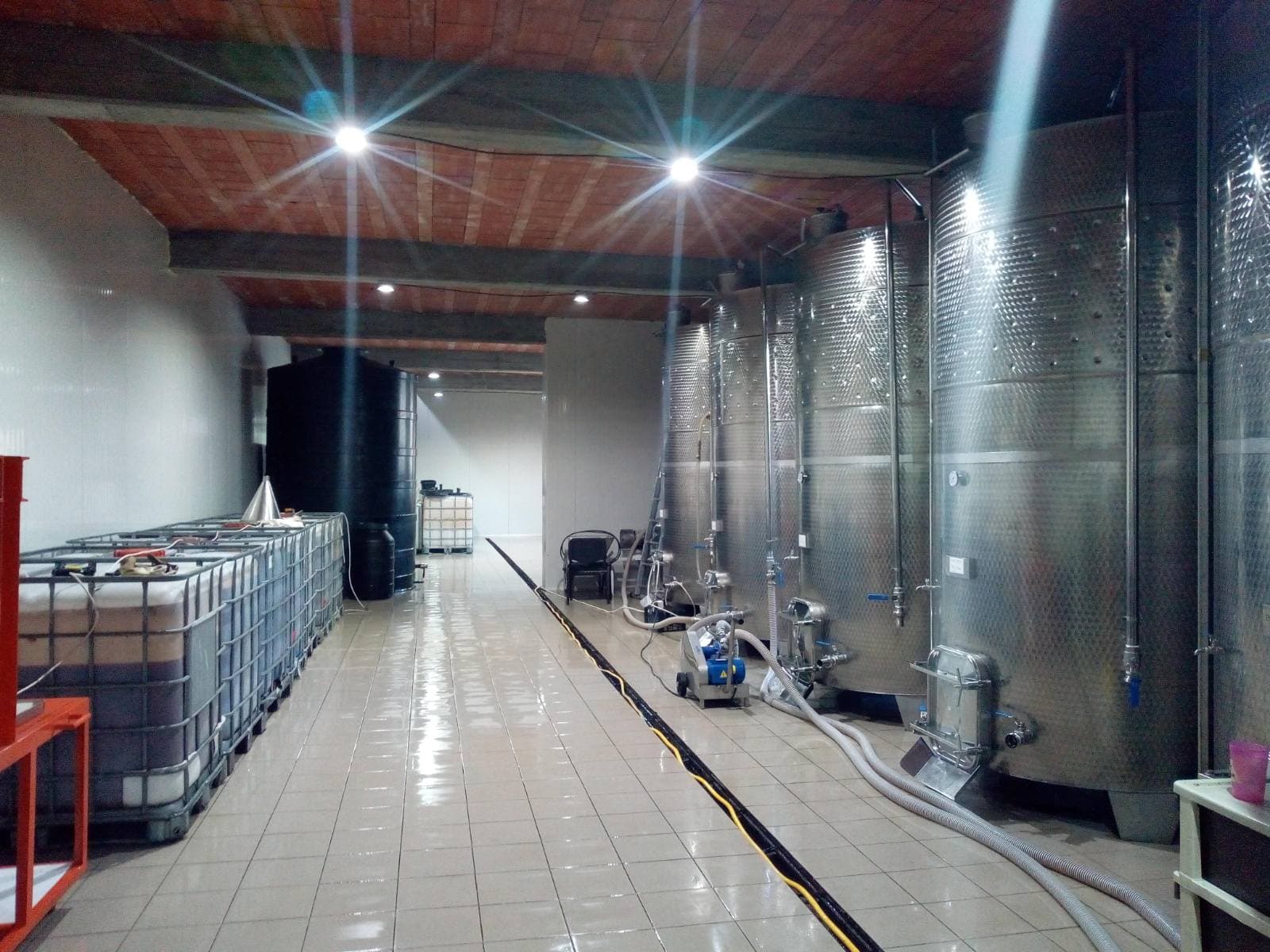
The production of mint extract is oriented toward maximal recovery of the plant's soluble aromatic and bioactive load while minimizing moisture and inert residual content. The objective is a very high dry matter percentage, confirming that the finished material is concentrated rather than diluted with aqueous or carrier fractions. By preserving all native compounds through the recovery process, the extract maintains the full ensemble required for both flavor and functional performance. This approach contrasts with selective distillation, which isolates specific volatiles and discards the broader bioactive matrix. The resulting industrial-grade preparation is suitable for direct incorporation into dry, semi-solid, and liquid manufacturing streams without additional standardization steps.
Specification Parameters
From a specification standpoint, the defining quantitative parameter is the very high dry matter percentage, which confirms the concentration of soluble aromatic and bioactive material relative to moisture and inert carriers. This threshold ensures batch-to-batch consistency for formulators requiring predictable sensory dosing and functional activity. The extract is supplied as a versatile industrial-grade preparation suitable for deployment across confectionery, beverage, chewing gum, cosmetic, and pharmaceutical manufacturing streams.
Additional specification considerations include the absence of synthetic additives and the retention of full native compound breadth, which eliminates the need for blend correction at the formulation stage. Procurement teams should verify dry matter documentation per lot to confirm concentration alignment with process tolerance windows. Further technical data is available on the product specification page.
Very high dry matter mint extract delivers full-spectrum aromatic and bioactive compounds for industrial formulation stability
Storage and Stability Protocol
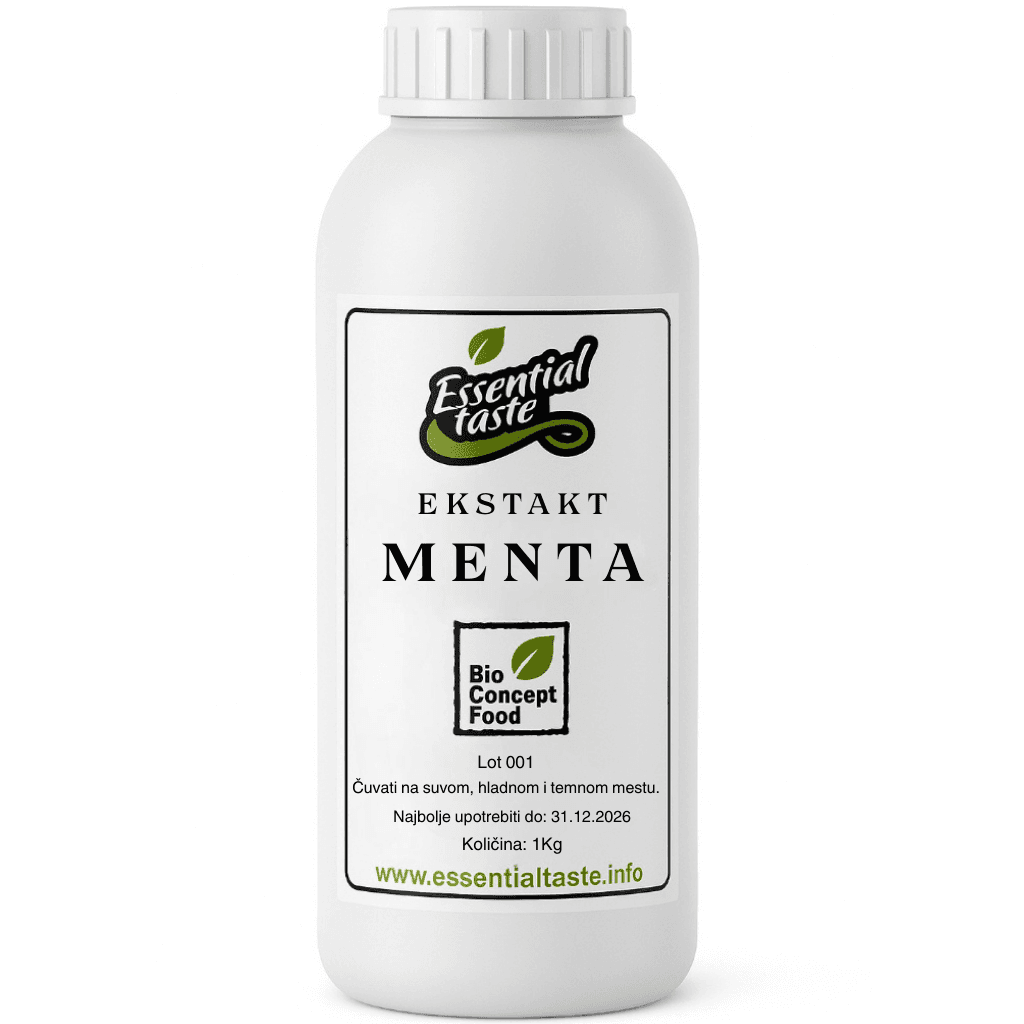
Storage specification requires a cool, dark place to preserve the integrity of the aromatic and bioactive fractions. Exposure to elevated temperature accelerates the volatilization of cooling terpenes, while light exposure promotes oxidative shift in phenolic constituents, both of which degrade the sensory and functional performance of the extract. The very high dry matter content provides an inherent stability advantage by limiting free water activity that would otherwise support microbial proliferation or hydrolysis. Industrial operators should maintain closed-container conditions under ambient cool-dark warehousing to ensure shelf-stable performance across production cycles.
Stability monitoring should include periodic organoleptic verification and, where applicable, chromatographic confirmation of volatile retention. Because the extract is supplied without synthetic preservatives, adherence to the cool-dark storage directive is a non-negotiable component of specification compliance for regulated food, beverage, and pharmaceutical applications.
Industrial Application Matrix
- Confectionery: Utilized to enhance flavor with the native refreshing note and to contribute soothing mouthfeel in sugar-based and sugar-free systems without synthetic cooling agents.
- Beverages: Deployed for top-note aromatic enhancement and palate cleansing in still, carbonated, and functional drink formats requiring natural botanical identity.
- Chewing Gums: Incorporated as a persistent flavor and refreshing agent in both center-fill and matrix-bound gum structures, leveraging full-spectrum volatiles for extended release.
- Cosmetics: Applied for refreshing and soothing properties in dermal and oral-care preparations where the native bioactive ensemble supports sensory differentiation.
- Pharmaceutical Products: Formulated for soothing mucosal and topical effects, capitalizing on the extract's full native compound retention at very high dry matter.
Formulation Integration Considerations
When integrating mint extract into industrial formulations, the very high dry matter concentration permits low inclusion rates relative to diluted botanical preparations, reducing freight and storage overhead per active unit. Formulators should account for the full aromatic intensity of the native ensemble during dose mapping to avoid sensory overruns in sensitive beverage and confectionery systems. In cosmetic and pharmaceutical streams, the soothing bioactive fraction supports claim substantiation without isolated actives, provided the cool-dark storage chain is unbroken upstream. Cross-sector compatibility is confirmed by the extract's status as a versatile ingredient across food, beverage, confectionery, chewing gum, cosmetics, and pharmaceutical categories, with no requirement for carrier reformatting at the user end.
Batch qualification should include dry matter verification and native profile confirmation against the supplied specification band. Because the material contains all plant natural aromatic and bioactive compounds rather than a narrowed fraction, formulators benefit from predictable synergistic behavior absent in reconstituted alternatives. The extract thereby functions as a single-source botanical input for manufacturers prioritizing clean-label, full-spectrum ingredient architecture.
Frequently Asked Questions
What active compounds are present in mint extract?
Mint extract contains all of the plant's natural aromatic and bioactive compounds, retained via a process that preserves the full phytochemical profile.
What is the dry matter specification of this extract?
The extract is characterized by a very high dry matter percentage, indicating concentrated material with minimal aqueous load for formulation stability.
What are the storage requirements for mint extract?
Mint extract must be stored in a cool, dark place to preserve its aromatic and bioactive compounds and prevent degradation.
Which industries use mint extract as a functional ingredient?
It is applied in confectionery, beverages, chewing gums, and cosmetics for flavor enhancement and refreshing or soothing properties.