The food industry is in the midst of a paradigm shift. Regulatory pressure, consumer preference, and sustainability concerns are converging to drive demand for natural alternatives to synthetic preservatives. Rosemary extract has emerged as one of the most effective and versatile solutions in this space.
The Problem with Synthetic Antioxidants
For decades, food manufacturers relied on synthetic antioxidants like BHA (butylated hydroxyanisole) and BHT (butylated hydroxytoluene) to extend shelf life and prevent oxidative rancidity in fats and oils. While effective, these compounds have come under increasing scrutiny due to potential health concerns and consumer rejection of artificial additives.
Modern consumers read labels. They recognize BHA and BHT, and they are increasingly choosing products without them — even if it means accepting shorter shelf lives or paying premium prices for clean-label alternatives.
Rosemary Extract: Nature's Antioxidant Powerhouse
Rosemary (Rosmarinus officinalis) contains a remarkable array of phenolic compounds with potent antioxidant activity. The two most important are carnosic acid and rosmarinic acid, which work through complementary mechanisms to neutralize free radicals and chelate metal ions that catalyze oxidation.
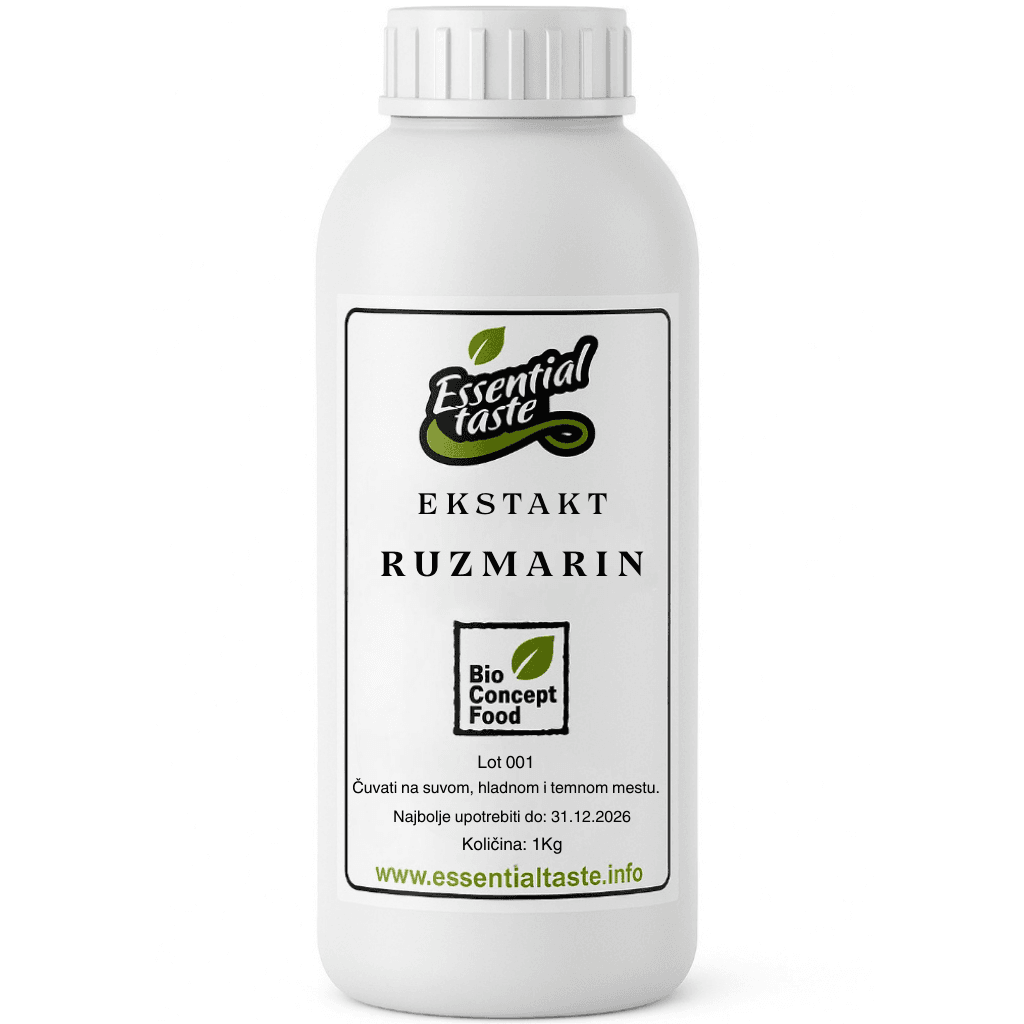
Our rosemary extract, standardized to a minimum of 65% dry matter, delivers consistent, measurable antioxidant performance in every application. The extract has been shown to be comparable to, and in many applications superior to, synthetic alternatives in preserving:
- Edible oils and fats (olive oil, sunflower oil, lard, butter)
- Meat products (fresh, cured, and processed meats)
- Dry and dehydrated food products
- Baked goods and snack foods (chips, crackers, cereals)
- Pet food and animal nutrition products
Applications in Meat Processing
Oxidative rancidity is a primary quality issue in meat products. The characteristic "warmed-over flavor" that develops when cooked or processed meat is stored is primarily a product of lipid oxidation. Rosemary extract effectively inhibits this process, extending the sensory shelf life of meat products while maintaining a clean label.
In cured meat applications, rosemary extract works synergistically with salt and nitrites, often allowing reduced levels of these traditional preservatives while maintaining equivalent preservation effectiveness.
Combining Rosemary with Other Natural Extracts
For enhanced preservation systems, rosemary extract works synergistically with other botanical antioxidants. Chamomile extract, rich in flavonoids and terpenoids, provides complementary antioxidant mechanisms. Mint extract contributes additional phenolic compounds that extend the antioxidant spectrum.
This multi-extract approach allows formulators to create natural preservation systems that match or exceed the performance of synthetic alternatives while achieving full clean-label compliance.
Regulatory Status and Labeling
Rosemary extract is approved for use in food products in the European Union (E392), the United States, and most global markets. Its labeling as "rosemary extract" or "natural flavoring (rosemary)" is clean and consumer-friendly — a significant advantage over the perceived complexity of synthetic preservative declarations.
Ready to transition to natural preservation? Request a sample of our rosemary extract and discover how it can protect your products while enhancing your label story.