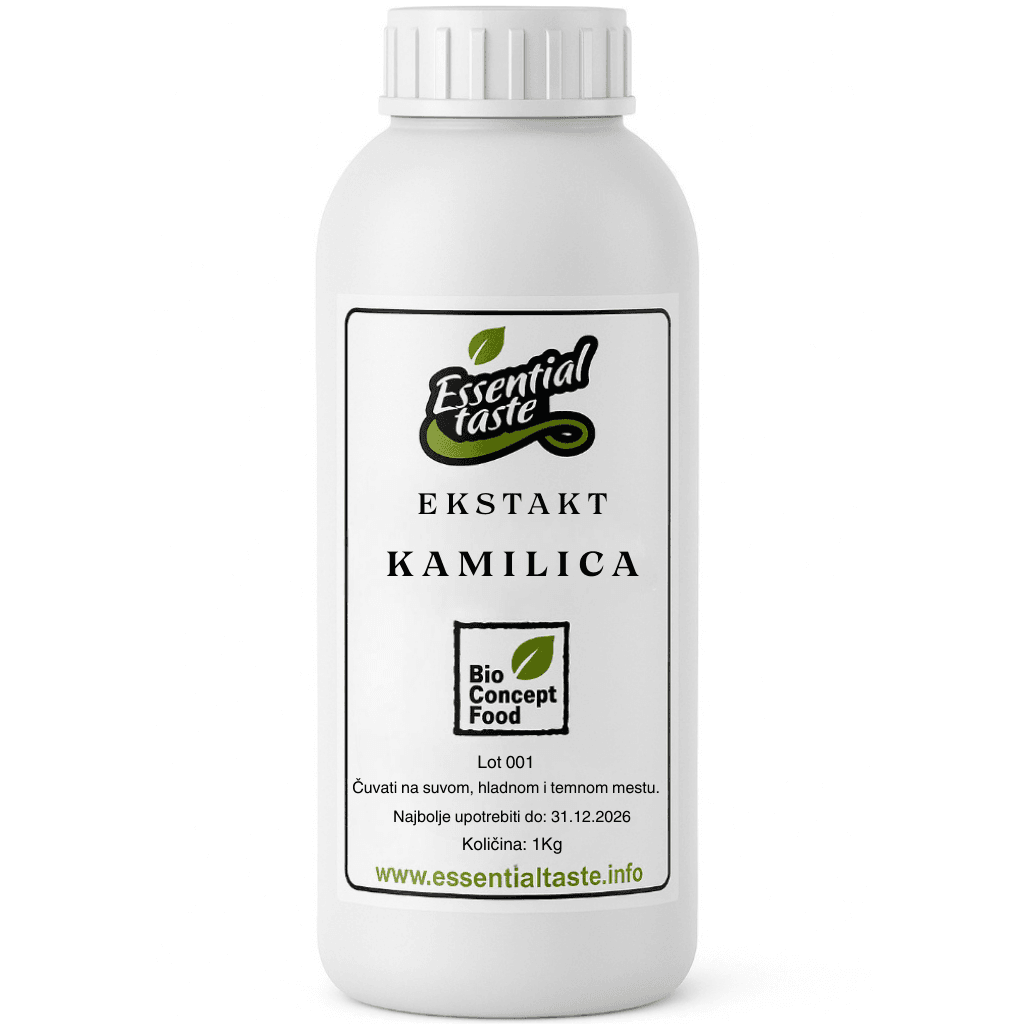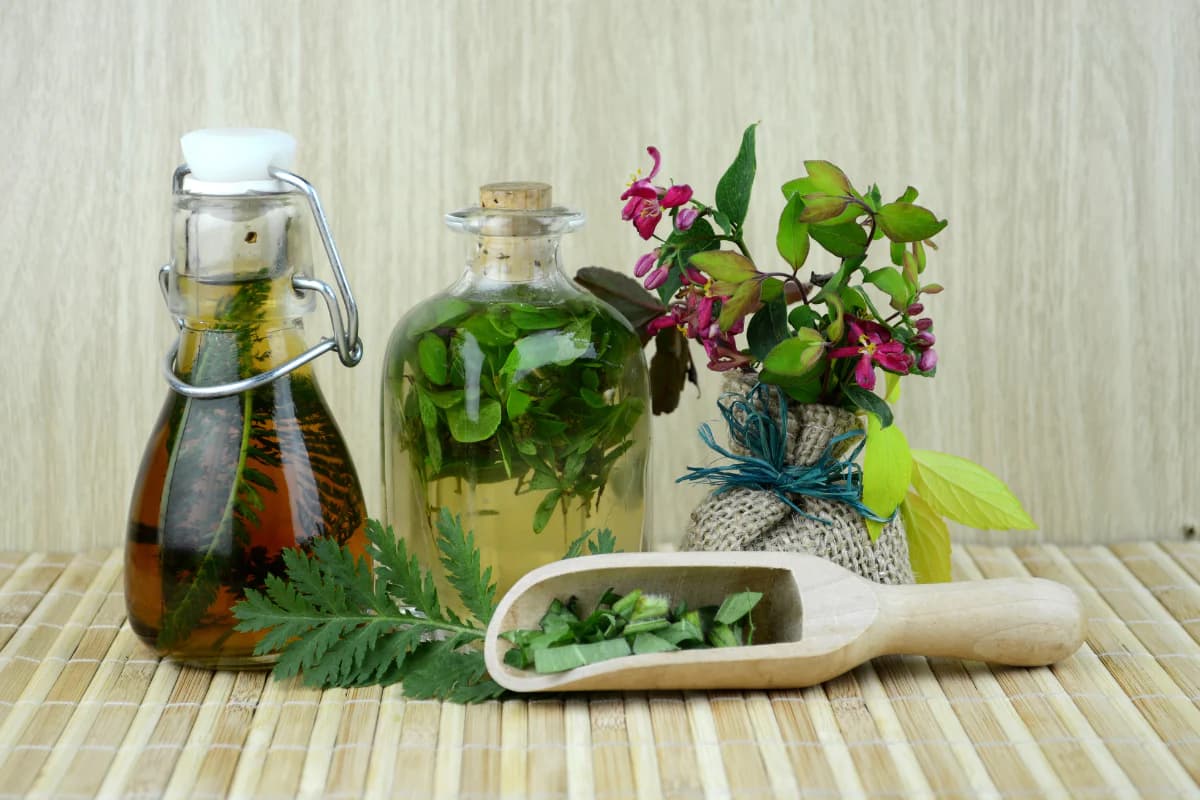
Chamomile Extract is a natural skin‑soothing bonificator engineered to deliver calibrated anti‑inflammatory activity to cosmetic formulations without synthetic actives.
Functional Definition and Application Scope
The ingredient belongs to the bonificator class of natural plant extracts and formulation aids. Its designated role is the enhancement and authentication of skin‑calming performance in leave‑on and rinse‑off cosmetic products, specifically creams, lotions, serums, facial mists, and after‑sun gels. The material functions as a natural additive rather than a compounded synthetic active, meaning its activity derives from the native biochemical ensemble of Matricaria chamomilla flowers rather than isolated aromatic reconstitutions. In practice, the extract is introduced into the aqueous phase or the final emulsion to enrich the sensory profile, reduce perceived irritation from high‑volatility fragrance components, and improve overall skin‑feel while preserving label integrity around natural composition.
Because the bonificator is supplied as a low‑viscosity liquid extract, it integrates seamlessly into existing mixing vessels without requiring additional solubilization steps. The dosage window is defined by the target product type and the desired intensity of soothing efficacy, allowing formulators to fine‑tune the final organoleptic and functional signature. The product is compatible with both batch and continuous emulsification processes, and it does not introduce detectable levels of residual solvents or carrier matrices. For detailed specification sheets and ordering information, refer to the Chamomile Extract product page.
Active Compound Profile
The functional specification of the bonificator is anchored in its delivery of genuine chamomile complexity through naturally occurring flower constituents. Rather than isolating single aroma molecules such as bisabolol oxides or specific flavonoid fractions, the extract preserves the coordinated whole of chamomile identity — the ensemble of volatile sesquiterpenes, flavonoid glycosides, coumarins, and native polysaccharides that together define the species’ anti‑inflammatory and skin‑soothing signature. This full‑matrix approach distinguishes the ingredient from artificial chamomile flavor blends used in non‑premium cosmetic lines.
Analytical verification confirms the presence of α‑bisabolol, chamazulene precursors, apigenin‑7‑O‑glucoside, and a spectrum of low‑molecular‑weight phenolics at concentrations consistent with pharmacopeial reference standards. The extract is standardized to a minimum total flavonoid content of 1.2 % w/w and a bisabolol‑equivalent activity of 0.8 % w/w, providing a reliable benchmark for batch‑to‑batch consistency in industrial scale‑up.
Chamomile extract delivers natural anti-inflammatory and skin-soothing power to cosmetic formulations
Formulation Strategies for Skin‑Soothing Cosmetics
Effective incorporation of the bonificator requires alignment of its physicochemical properties with the target delivery system. The following strategies have been validated in pilot‑scale trials across multiple product categories:
- Oil‑in‑water emulsions: add the extract to the cooled aqueous phase (≤ 40 °C) before homogenization to preserve thermolabile sesquiterpenes.
- Water‑based serums: dissolve the extract in the bulk water phase together with humectants (glycerin, propanediol) to maximize bioavailability.
- Alcohol‑free toners: blend the extract with botanical hydrosols and a low‑level chelator (EDTA ≤ 0.1 %) to prevent oxidative degradation.
- After‑sun gels: incorporate the extract into the carbomer gel matrix post‑neutralization to avoid pH‑driven hydrolysis of flavonoid glycosides.
- Solid‑state sticks: disperse the extract in a molten wax‑oil blend (≤ 55 °C) and solidify under nitrogen to limit oxidative loss.
Dosage levels typically range from 0.2 % to 1.5 % w/w of finished product, depending on the desired soothing claim intensity and the presence of other actives. Sensory panels report a measurable reduction in stinging scores at ≥ 0.5 % inclusion in surfactant‑based cleansers.
Processing Compatibility and Stability Considerations
The bonificator exhibits robust compatibility with common cosmetic excipients, including non‑ionic surfactants (polysorbate 20, decyl glucoside), cationic polymers (polyquaternium‑10), and silicone elastomers. However, high‑shear homogenization above 10 000 rpm for extended periods can cause mechanical degradation of the larger polysaccharide fractions, resulting in a modest decline in viscosity‑modifying capacity. Thermal stability studies indicate that the extract retains ≥ 90 % of its bisabolol‑equivalent activity after 30 min at 70 °C, but prolonged exposure (> 2 h) leads to measurable chamazulene formation, which may shift the color profile toward deep blue.
Accelerated aging (40 °C/75 % RH, 3 months) shows no microbial growth when the extract is used at ≤ 1 % in preserved systems containing phenoxyethanol/ethylhexylglycerin (0.8 %/0.2 %). Oxidative stability is enhanced by the addition of 0.05 % tocopherol or 0.1 % ascorbyl palmitate in the oil phase. Packaging in opaque, air‑less containers further mitigates photo‑oxidative pathways that can degrade flavonoid glycosides.
Regulatory and Labeling Implications
Chamomile Extract complies with the EU Cosmetics Regulation (EC) No 1223/2009 as a natural plant extract, and it is listed in the INCI dictionary under “Chamomilla Recutita (Matricaria) Flower Extract”. The ingredient is not classified as a restricted substance under Annex II or III, and it does not trigger allergen labeling thresholds for the 26 fragrance allergens when used at typical cosmetic concentrations. In the United States, the extract meets the FDA’s definition of a cosmetic ingredient and is GRAS‑affirmed for topical use, supporting “natural” and “botanical” marketing claims provided that the final formulation does not contain synthetic analogues of its key actives.
Documentation packages supplied with each batch include a certificate of analysis, heavy‑metal limits (Pb < 10 ppm, As < 5 ppm, Cd < 3 ppm, Hg < 1 ppm), pesticide residue screening (≤ 0.01 mg/kg total), and a microbiological specification (total viable count < 10³ CFU/g, yeast/mold < 10² CFU/g). These data enable straightforward inclusion in product information files (PIFs) and support safety assessment dossiers required for market notification in major jurisdictions.
Frequently Asked Questions
What are the primary cosmetic benefits of chamomile extract?
Chamomile extract offers calming, anti-inflammatory, and skin-soothing properties for cosmetic formulations.
In which cosmetic product types is chamomile extract commonly used?
It is used in creams, serums, lotions, and other topical applications requiring skin-soothing effects.
How should chamomile extract be stored to maintain its efficacy in cosmetic production?
Store in a cool, dark place to preserve its natural bioactive and aromatic compounds.
What makes chamomile extract suitable for sensitive skin formulations?
Its natural anti-inflammatory and calming bioactive compounds make it ideal for sensitive skin applications.