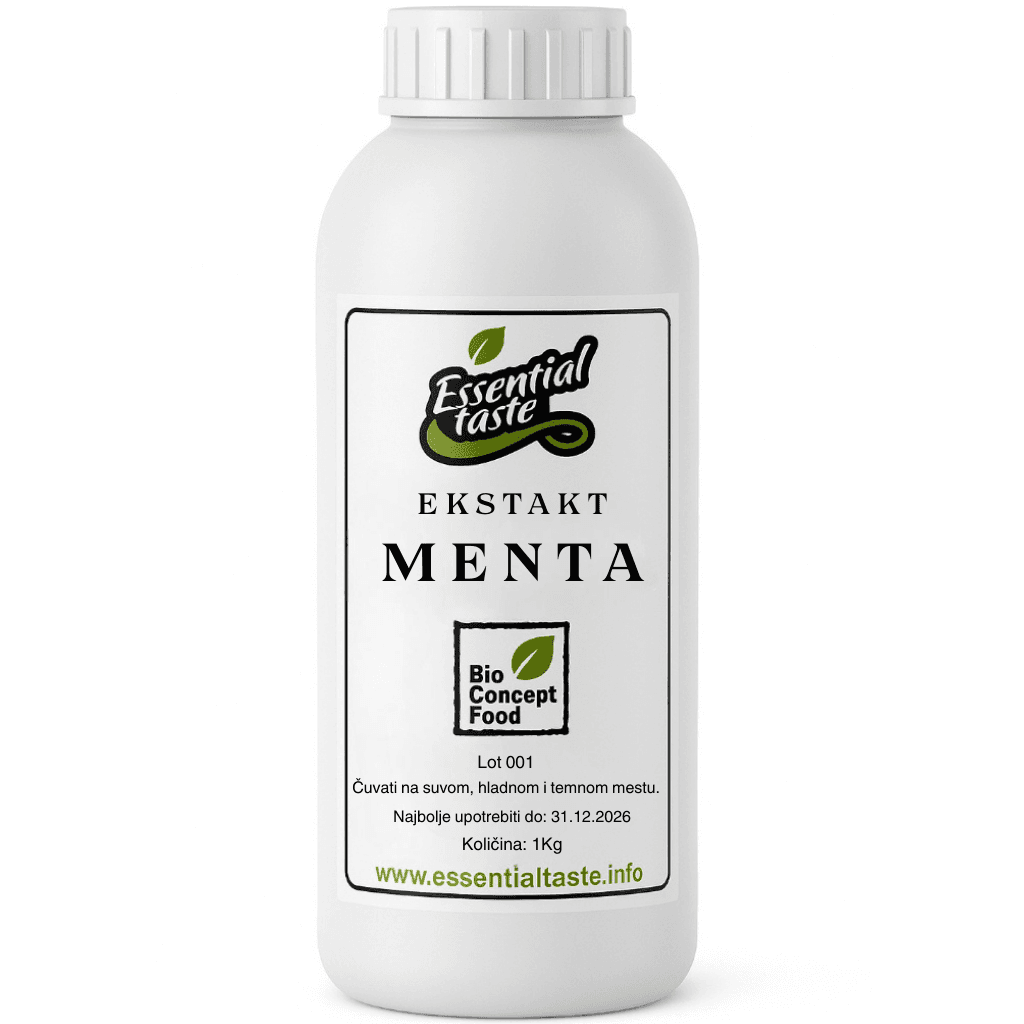
The global natural extracts market is undergoing a dramatic transformation. As consumers increasingly demand clean-label products and authentic flavors, manufacturers across the food, beverage, cosmetic, and pharmaceutical sectors are turning to botanical extracts as the cornerstone of their formulations.
What Are Natural Plant Extracts?
Natural plant extracts are concentrated preparations derived from various parts of plants — leaves, flowers, fruits, seeds, bark, and roots. Through careful extraction processes, the bioactive compounds, aromatic molecules, and functional substances are captured in a concentrated, stable form ready for industrial use.
Unlike artificial flavoring agents or synthetic compounds, natural extracts carry the full complexity of the plant's chemical profile. This complexity is precisely what gives them their distinctive sensory properties and functional benefits that synthetic alternatives cannot fully replicate.
The Food and Beverage Industry
In the food and beverage sector, natural plant extracts serve as powerful flavor enhancers and functional ingredients. Chamomile extract adds delicate floral notes to teas and desserts while delivering calming properties. Mint extract brings refreshing intensity to confectionery, beverages, and chewing gums.
The clean-label movement has been a major driver of growth in this space. Consumers today scrutinize ingredient lists carefully, and they increasingly prefer products that use recognizable, natural ingredients rather than artificial additives with complex chemical names.
Key applications in food and beverage:
- Flavor enhancement in beverages, teas, and functional drinks
- Natural preservatives in food products
- Colorants and taste modifiers in confectionery
- Functional ingredients in health foods and supplements
- Maturation agents for wines and spirits (such as oak wood extract)
Cosmetics and Personal Care
The cosmetics industry has long recognized the value of botanical extracts. From anti-aging serums containing rose hip extract rich in vitamin C, to soothing skin treatments featuring chamomile, natural extracts form the active core of premium skincare formulations.
Consumers are increasingly aware of ingredient provenance, driving brands to invest in high-quality, traceable botanical inputs. The "natural beauty" trend shows no signs of slowing, with the global natural cosmetics market projected to grow substantially through the decade.
Pharmaceutical and Nutraceutical Applications
In pharmaceutical and nutraceutical contexts, standardized plant extracts offer consistent therapeutic benefits. Rosemary extract, for example, is valued for its antioxidant properties and is used in both dietary supplements and pharmaceutical formulations. Rose hip extract is widely used in immune-support products for its vitamin C content.
The Future of Natural Extracts
As analytical technologies improve and our understanding of phytochemistry deepens, the precision with which we can characterize and standardize plant extracts continues to advance. This opens new possibilities for the targeted use of bioactive compounds across all application sectors.
At Essential Taste, we are committed to staying at the forefront of this evolution — developing extraction methods that maximize bioactive yield while preserving the integrity and authenticity of each plant's unique chemical signature.
Whether you're formulating a new functional beverage, developing a premium skincare line, or creating a nutraceutical product, our range of natural plant extracts provides the foundation for authenticity and quality.