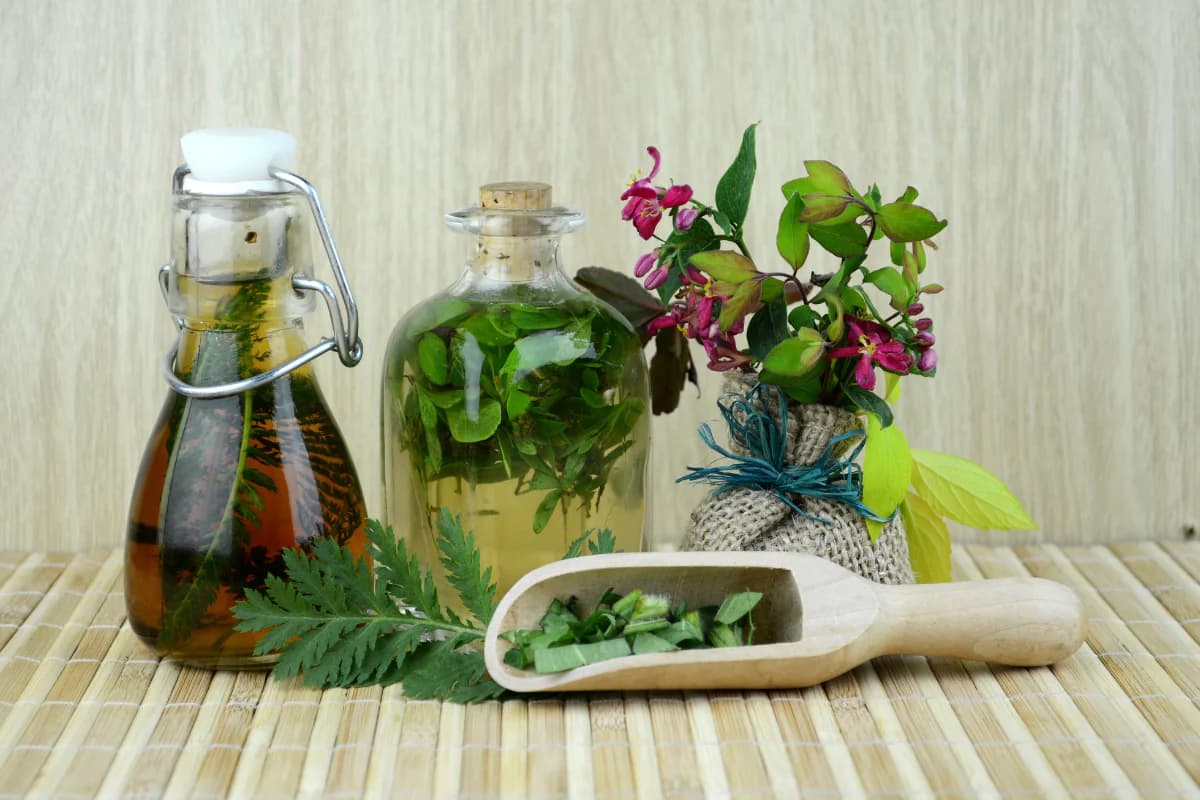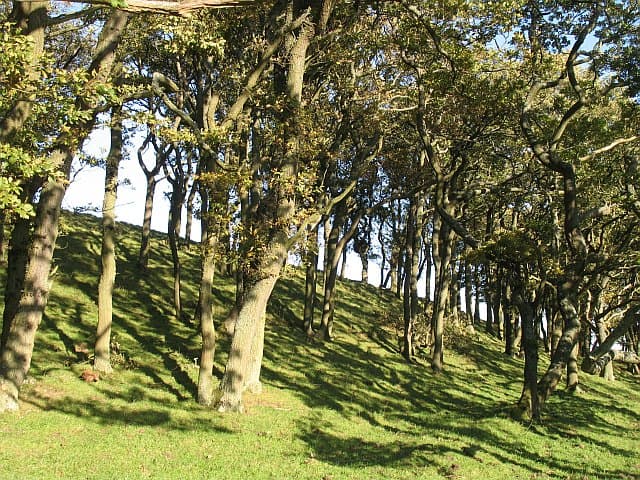
Oak Wood Extract is a hydroalcoholic botanical extract derived from finely divided Quercus wood and engineered to deliver natural oak-derived maturation character to fermented and distilled beverages as well as selected culinary acid and sauce systems.
Active Compound Profile
The functional identity of Oak Wood Extract is grounded in the soluble lignocellulosic degradation products liberated from oak tissue during alcoholic extraction. Finely parted oak is exposed to alcohol solutions, a process that mobilizes hydrolyzable and condensed tannins, volatile lactones such as whisky lactone, vanillin precursors, and low-molecular phenolic aldehydes native to the wood matrix. Unlike barrel aging, where compound transfer is governed by slow diffusion through staves, the extract presents a concentrated and standardized soluble fraction in which ellagitannins and derived ellagic acid supply astringency and oxidative stabilization while oak lactones contribute the recognizable sweet, coconut-like and spicy volumetric notes associated with matured spirits.
For wine and spirits producers, the coordinated phenolic and lactone ensemble is the primary procurement driver because it decreases maturation time and increases quality without requiring extended vessel residence. Non-alcoholic beverage formulators evaluate the same fraction for superior blending agents that mask harsh fermentation off-notes, whereas sauce and vinegar manufacturers prioritize the extracted phenolics as flavoring agents that reinforce acid roundness and mouthfeel. Retention of the complete native profile distinguishes the material from reconstituted oak chips or synthetic vanillin-based flavor bases, which sacrifice the tannin-lactone balance during cut-rate processing.
Extraction Methodology
The production of Oak Wood Extract is oriented toward maximal recovery of the wood's soluble maturation load through alcoholic extraction of finely divided oak material. The starting substrate is reduced to a fine particulate state to increase surface-area-to-volume ratio, after which it is contacted with alcohol solutions under controlled temperature and residence conditions. This hydroalcoholic treatment solubilizes the bioactive lignin and tannin fractions while limiting the co-extraction of insoluble hemicellulose debris. The resulting extract concentrate can be dosed directly into young wines, spirits, and liquors to accelerate the development of oak-connected sensory attributes that would otherwise require months or years of barrel contact.
Process standardization is critical: extraction strength, alcohol concentration, and wood particle geometry determine the final ratio of tannin to lactone and therefore the extract's behavior in finished goods. Producers targeting wine applications typically specify extracts biased toward ellagitannin dominance, while those supplying spirit maturation favor elevated lactone transfer. The alcohol-based medium also confers microbial stability to the extract, removing the need for external preservation in many industrial receiving streams.
Specification Parameters
Procurement and formulation teams require defined specification bands to integrate Oak Wood Extract into regulated manufacturing. The table below summarizes the core parameters referenced across beverage and culinary applications.
| Parameter | Typical Specification | Analytical Basis |
|---|---|---|
| Plant substrate | Finely parted Quercus wood | Botanical origin declaration |
| Extract solvent | Alcohol solution | Process documentation |
| Soluble tannin fraction | Standardized ellagitannin load | UV-visible phenolic assay |
| Volatile lactone content | Lot-dependent oak lactone index | GC characterization |
| Microbial stability | Stable via alcohol medium | Challenge testing |
| Recommended use | Maturation, blending, flavoring | Application validation |
Because the extract is supplied as a concentrated soluble preparation, dosage is expressed relative to receiving volume rather than absolute mass of wood. This allows formulators to decrease maturation time and increase quality through measured addition rather than empirical barrel management. Full material characterization and lot-specific certificates are available on the product page at https://essentialtaste.info/products/oak-wood-extract.
Alcohol-extracted oak fines shorten maturation while delivering natural oak character to beverages and sauces
Industrial Application Spectrum
- Wines, Spirits & Liquors: Direct dosing into young wine or distilled spirit tanks to simulate and accelerate barrel-derived maturation, reducing cellar residence and capital lock-up while increasing batch-to-batch consistency.
- Non-alcoholic Beverages: Deployment as a superior blending agent where trace oak phenolics soften acidic edges and deliver a rounded sensory base without introducing ethanol perceptibility incompatible with zero-proof claims.
- Sauces & Vinegar: Utilization as a flavoring agent that reinforces malty, smoky, and vanilla-adjacent notes in acid-forward condiments, stabilizing taste profile across seasonal raw-material variation.
- Cross-category maturation: Integration into finished liquors where the extract decreases maturation time and increases quality by supplying the soluble oak ensemble absent from stainless or neutral polymer aging.
Formulation and Dosing Considerations
Effective deployment of Oak Wood Extract requires alignment between extract strength and receiving-matrix composition. In high-ethanol spirits, the extract disperses readily and lactone expression is amplified by the solvent environment, permitting lower dosing than in low-alcohol wine. In non-alcoholic beverages, the absence of ethanol demands pre-dilution and sensory benchmarking to avoid phenolic astringency that reads as bitterness to consumers. Sauce and vinegar systems benefit from staged addition during reduction, where heat drives lactone volatilization control and tannin binding to protein fractions modulates viscosity.
Manufacturers should validate lot compatibility through small-scale maturation trials before full tank treatment, given that varietal oak source and extraction solvent ratio shift the tannin-to-lactone index. The extract's alcohol-borne stability simplifies handling under ambient conditions, but closed-system addition remains advised to prevent volatile loss. Documented use across wines, spirits, non-alcoholic beverages, and sauces confirms the material's role as a technical maturation and flavoring input rather than a decorative additive.
Regulatory and Supply Context
As a category-classified extract, Oak Wood Extract is positioned for business-to-business supply to beverage and food producers operating under food-grade and beverage-specific compliance frameworks. Its production from edible oak wood and food-approved alcohol solutions supports declaration as a natural flavoring or processing aid depending on jurisdiction and dose. Supply continuity is maintained through standardized milling and extraction protocols that decouple output from seasonal barrel availability, giving formulators a reproducible oak character independent of cooperage constraints. The product's documented history of use to enhance flavor as well as age beverages underpins its acceptance in traditional and novel maturation architectures alike.
Frequently Asked Questions
What is the extraction method for Oak Wood Extract?
Finely parted oak is extracted with alcohol solutions to produce the extract used for beverage maturation and flavoring applications.
Which industries use Oak Wood Extract?
It is applied in wines, spirits and liquors, non-alcoholic beverages, and sauces and vinegar as a maturing or flavoring agent.
How does Oak Wood Extract affect maturation time?
The extract can decrease maturation time while increasing quality in wines, alcoholic beverages, and other liquors.
What are the non-alcoholic applications of Oak Wood Extract?
It is used in developing blending agents for non-alcoholic beverages and flavoring agents for vinegar, sauces, and similar products.