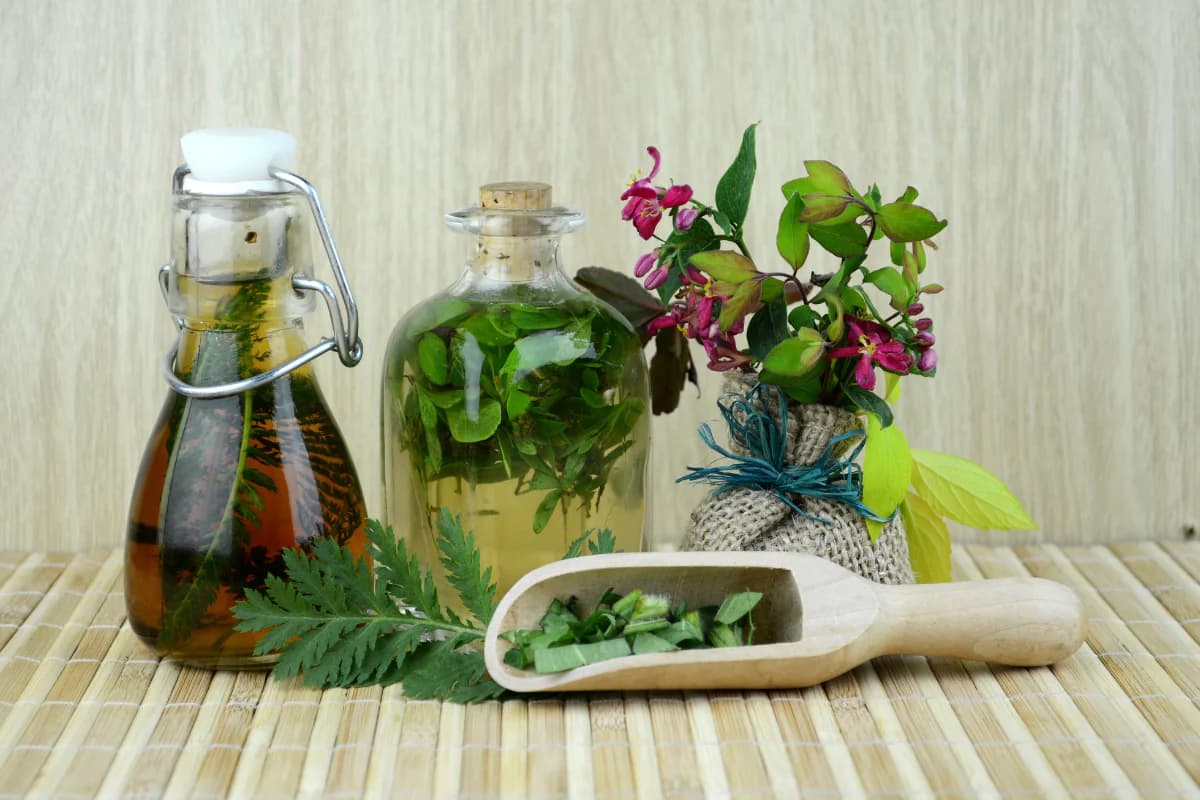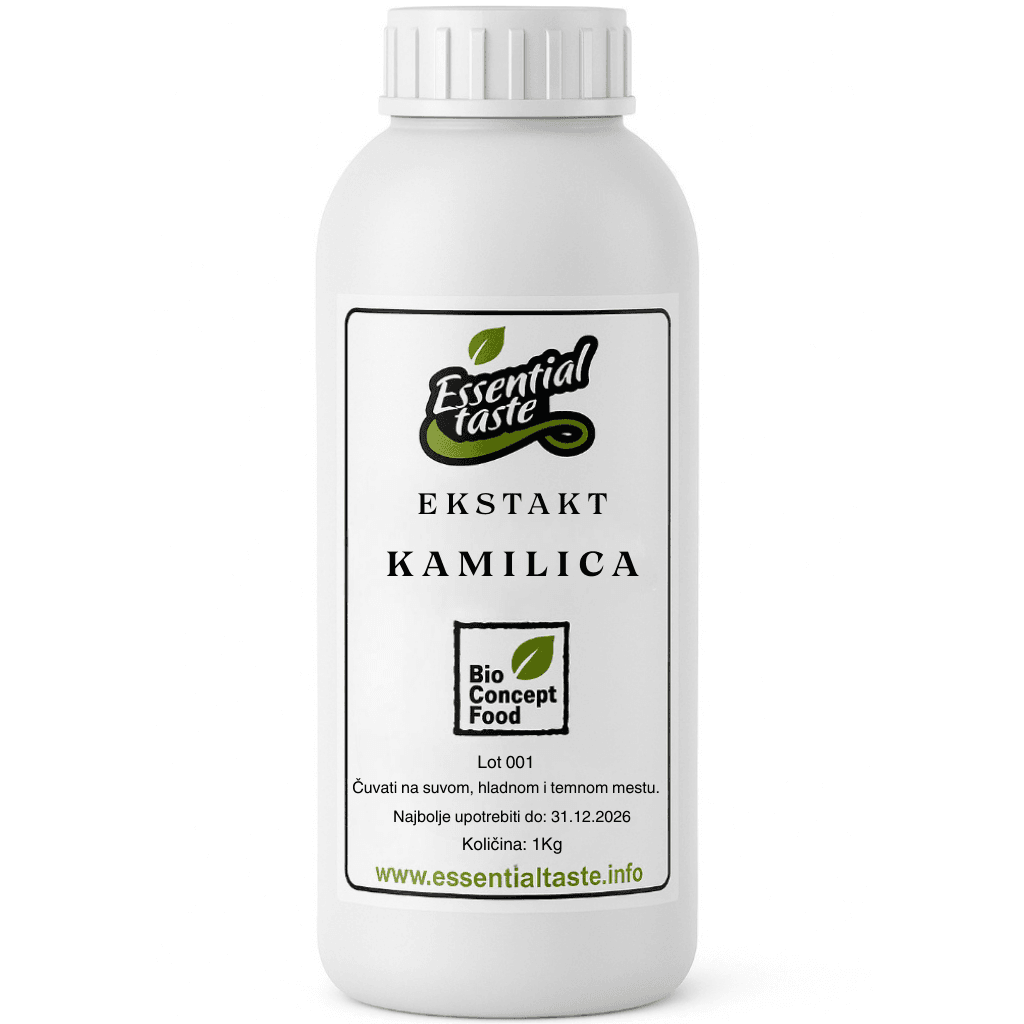
Chamomile extract is a botanical-derived ingredient characterized by a complex matrix of bioactive and aromatic compounds, engineered for deployment across food, cosmetic, and pharmaceutical manufacturing streams.
Active Compound Profile
The functional performance of chamomile extract is anchored in its natural bioactive and aromatic compound content. These constituents are not isolated single molecules but a coordinated chemical ensemble responsible for the ingredient's sensory and physiological behavior. In formulation contexts, the bioactive fraction confers calming and anti-inflammatory action, while the aromatic fraction supplies the characteristic floral note utilized in flavor systems. The extract's value to formulators lies in this dual-mode activity: it operates simultaneously as a sensory modifier and as a functionally active raw material.
From a specification standpoint, the full chemical breadth of the source plant is retained in concentrated form. This distinguishes the material from reconstituted aromatic chemicals or synthetic calming agents, which lack the synergistic secondary metabolites present in the native profile. For manufacturers in the pharmaceutical sector, the anti-inflammatory and skin-soothing bioactives are the primary procurement drivers; for beverage and dessert producers, the aromatic and flavor-enhancing compounds dominate selection criteria.
Extraction Methodology
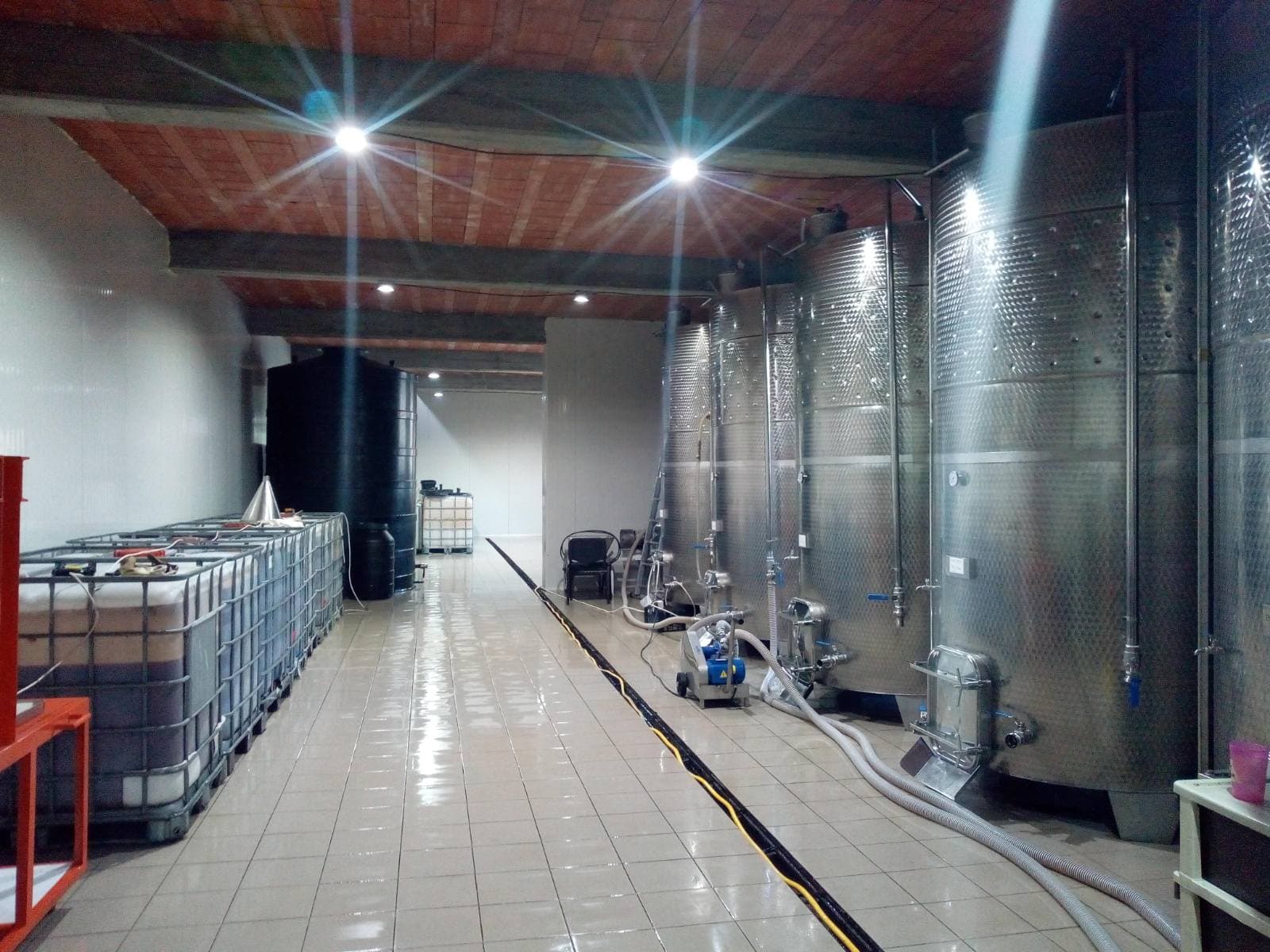
Chamomile extract is produced through extraction processes that concentrate the bioactive and aromatic fractions from the plant material into a stable, industrial-grade preparation. The objective of the extraction step is to capture the full complexity of the plant's chemical profile without degradation of heat-sensitive aromatic molecules. Careful process control preserves the volatile compounds responsible for sensory performance and the polar constituents associated with calming and anti-inflammatory functionality.
Unlike synthetic compounding, which assembles individual molecules in a reactor, extraction yields a material whose constituent ratios reflect the source botanical. This native proportionality is technically significant: formulators relying on the extract inherit a pre-validated combinatorial profile rather than assuming the burden of replicating plant chemistry. The resulting product is supplied as a concentrated intermediate ready for dilution, blending, or direct incorporation depending on the target application matrix.
Specification and Handling Parameters
Storage and handling specifications for chamomile extract are defined by its sensitivity to environmental exposure. The material must be stored in a cool, dark place to prevent decomposition of light-sensitive bioactive compounds and volatilization of aromatic constituents. This requirement is not cosmetic; UV radiation and elevated temperature actively diminish the extract's functional potency and sensory fidelity over time.
Procurement specifications should therefore account for supply-chain conditions between production and point of use. Industrial buyers are advised to verify that transport and warehousing maintain the cool, dark storage condition. Shelf-life validation under these parameters is essential for batches intended for pharmaceutical or cosmetic use, where active-compound integrity is subject to regulatory and quality-control verification.
| Parameter | Specification |
|---|---|
| Source category | Botanical extract |
| Active classes | Natural bioactive, aromatic compounds |
| Storage condition | Cool, dark place |
| Primary functionalities | Calming, anti-inflammatory, skin-soothing, flavor enhancement |
| Target industries | Teas & Beverages, Desserts, Cosmetics, Pharmaceuticals |
Chamomile extract specification centers on bioactive aromatic stability under cool dark storage for cross-industry formulation
Food and Beverage Applications
Within the teas and beverages segment, chamomile extract is deployed to enhance flavor through its aromatic compound fraction. Its integration into tea formulations supplies a recognizable floral character without the particulate load of loose botanicals, enabling standardized dosing in commercial production. In functional drinks, the calming bioactive content adds a physiological dimension to the sensory profile.
Dessert manufacturing utilizes the same extract for flavor enhancement where a delicate floral note is required. The concentrated format allows precise volumetric control in batters, fillings, and coatings. Formulators benefit from the extract's compatibility with both aqueous and lipid phases commonly encountered in confectionery and dairy-based desserts.
Representative food and beverage uses:
- Flavor enhancement in teas, herbal infusions, and ready-to-drink beverages
- Aromatic modulation in desserts, pastry creams, and frozen products
- Functional calming positioning in wellness-oriented drink lines
- Standardized botanical dosing替代 loose chamomile in scalable production
Cosmetic and Pharmaceutical Integration
In cosmetics, chamomile extract is specified for its skin-soothing and anti-inflammatory properties. The bioactive fraction is incorporated into topical formulations where reduction of cutaneous irritation is a claimed benefit. Its natural origin supports clean-label positioning in personal care products, a criterion increasingly enforced in business-to-business cosmetic supply agreements.
The pharmaceutical sector leverages the same calming and anti-inflammatory characteristics in preparations where plant-derived actives are mandated by formulation briefs. The extract's concentrated, stable form simplifies downstream processing relative to raw botanical handling. Cross-industry utility is a defining trait: a single extracted lot can service cosmetic, pharmaceutical, and food customers under differentiated specification sheets.
Full technical documentation and procurement terms are available on the chamomile extract product page.
Formulation Considerations
When integrating chamomile extract into multi-component systems, formulators must respect its storage-derived stability limits. Addition should occur at process stages that avoid prolonged high-temperature exposure, preserving both aromatic and bioactive integrity. In emulsions, the extract's natural profile remains stable provided the finished product is itself held under cool, dark conditions post-filling.
Batch-to-batch variation in native botanical composition is inherent to plant extracts. Manufacturers should institute incoming specification verification rather than assuming fixed active percentages. This discipline is particularly relevant for pharmaceutical and cosmetic applications where claimed efficacy depends on consistent bioactive delivery. Chamomile extract, properly specified and stored, remains a versatile, technically defensible ingredient across the four target industries.
Frequently Asked Questions
What are the key active compounds in chamomile extract?
Chamomile extract is characterized by natural bioactive and aromatic compounds that contribute to its calming, anti-inflammatory, and skin-soothing properties.
How should chamomile extract be stored at the manufacturing level?
The full specification requires storage in a cool, dark place to preserve the stability of its natural bioactive and aromatic compounds.
Which industries formulate with chamomile extract?
It is used in teas and beverages, desserts, cosmetics, and pharmaceuticals for flavor enhancement and calming or skin-soothing functionality.
What extraction method applies to this extract?
Public specification does not state a method; formulators should request COA from the supplier for extraction process and active-compound percentage.